
Remaining firmly rooted in winemaking heritage; Bordeaux Wines – or Vines de Bordeaux – is entering the chat fresher, brighter and more versatile than ever before, and perfectly in time for September: Bordeaux Wine Month.
The region’s reds are providing styles for every table and occasion, creating wines for the way many people enjoy it today.
Typically, Bordeaux reds have – by me a least – been seen as quite big, bold and brash. For when you want to bring a serious bottle to the table. They are, however, shaped by diverse grape varieties, terroirs and winemaking philosophies which result in a collection of wines which are exciting, expressive and more varied. These include more vibrant, fruit-forward wines and elegant single-varietal styles to organic, biodynamic cuvées and lighter reds. Something for everyone.
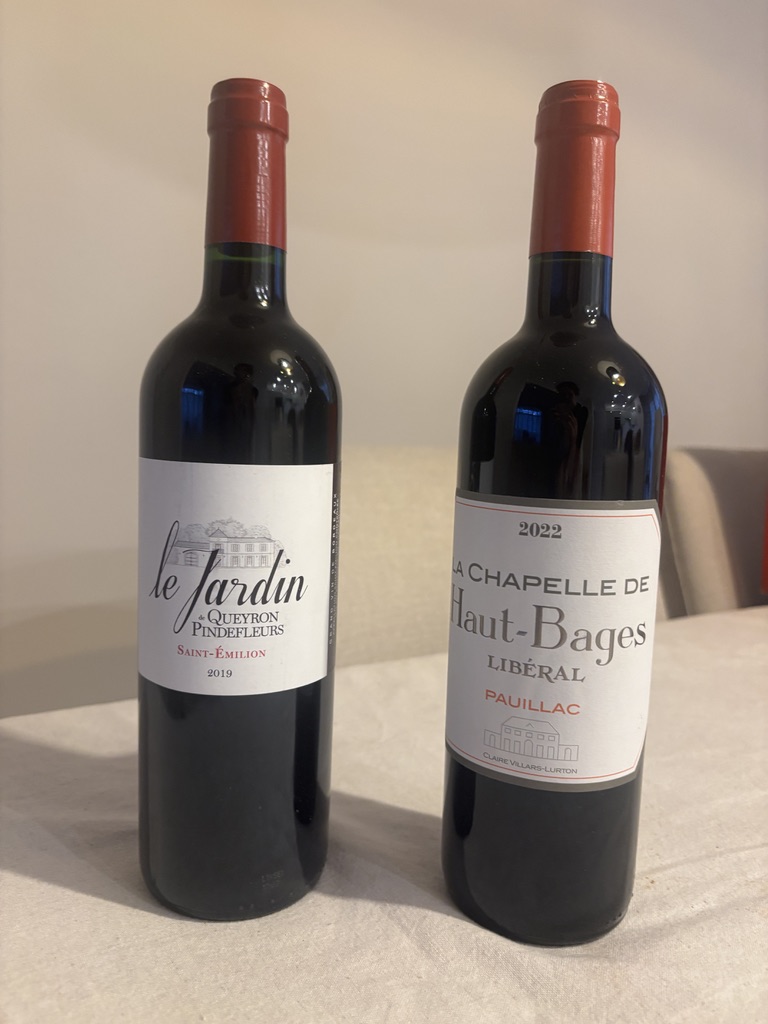
La Chapelle de Haut-Bages Libéral 2022, AOP Pauillac, was the lighter of the wines tried – suited to a casual drink with dinner, which worked nicely for us, rather than being in your face and needing an equally bold dish to accompany it.
It’s an elegant blend of Cabernet Sauvignon and Merlot, we’re told are grown on gravelly clay limestone soils before being carefully aged for 12 months in oak, to result in a balanced wine. It definitely had body and I would say it’s got a nice, medium body, with an accompanying fruitiness and just the right level of acidity to round off the drinking experience. I can imagine sipping this wine with a good cheese board.
The wine is from the family-owned Château Haut-Bages Libéral, this wine comes from one of Pauillac’s finest terroirs, combing generations of winemaking expertise with a forward-thinking approach to sustainability. Priced at £33.50 a bottle from Waitrose.
Le Jardin de Queyron Pindefleurs 2019, AOP Saint-Émilion, is more of a full-bodied wine with a delectable, almost spiced taste that lasts. It definitely has more of a full bodied, rich flavour, and you can feel the silky tannins in your mouth as you drink it. Personally, I think this would go well with an equally big dish or earthy flavours, and I would personally enjoy this wine with food rather than just for sipping.
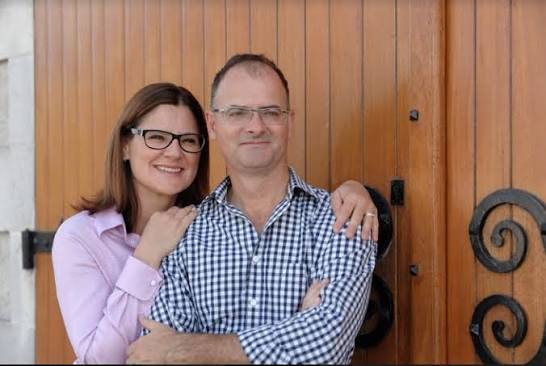
This wine is from a 12-hectacre estate run by the Fillon family, who have run the estate since 1937, located at the foot of the southern slopes of Saint-Émilion. Available from virgin wines, this is £20.99 a bottle.
With over 32 AOPs (that’s Appellations d’Origine Protégée or Protected Designation of Origin), Bordeaux is best known for producing red wines. Now we’d say it’s true strength lies in its diversity, of which I am sure I’ve tasted just a small sample now. Spanning six territories of Médoc, Saint-Émilion, Pomerol and Fronsac, Entre-Deux-Mers, Graves and Sauternes, Blaye Bourg and Bordeaux/Bordeaux Supérieur, each appellation brings its own identity, character and style.
Innovation is rife too. Sustainability has become a key priority for the region, with producers working together to reduce their environmental impact while protecting the region for future generations.
Today, more than 75% of Bordeaux’s vineyard area holds an environmental certification, with the ambition of reaching 100% by 2030. What’s more, nearly a quarter of vineyards are farmed organically, and greenhouse gas emissions have fallen by 37% since 2007.
Individually unique, together they show you can’t judge ‘a Bordeaux’ on one sip alone. They’re all very different – from approachable everyday bottles to elegant, cellar-worthy wines – and you likely need to try several ones to find what best fits you.