
For over 150 years, Ceylon tea has been celebrated as one of the world’s most flavourful teas, shaped by Sri Lanka’s distinctive growing regions. Ceyara brings authentic Ceylon tea directly from Sri Lanka.
A little history: in 1867, a Scottish planter created a tea garden from a failing coffee estate in the hills near Kandy. Over the following decades, that single experiment helped shape Sri Lankan tea and laid the foundations for a thriving industry that is now celebrated globally.
Launched this summer, Ceyara is dedicated to origin, craft, transparency and ethical production. The brand begins with the environment in which its tea is grown. Elevation, climate, soil and seasonal rhythms all influence flavour, aroma and character.
Ceyara therefore prioritises quality, craftsmanship, traceability and consistency over volume. Ethics are built into its sourcing, and Ceyara partners with producers who uphold responsible labour practices, safe working conditions and long-term stewardship of the land. Its commitment to transparency means understanding where the teas come from, how they are cultivated and who is behind them.
I tried a selection of the teas from the Discovery Collection (RRP £24.99) which features six individual bags / servings of different teas – two of each type – in a beautiful presentation box. With each tea housed in its own little triangle, which is carefully labelled, and in everyday pyramid format for easy drinking, the attention to detail is clear.
Ceyara has a collection of single-flavour teas bags in either pyramid bags or loose-leaf format, ranging from classic earl grey to earl grey with lavender, ginger peach white tea, English breakfast tea, Ceylon chai, and more. They also have a collection of premium tea gift sets designed to elevate everyday moments
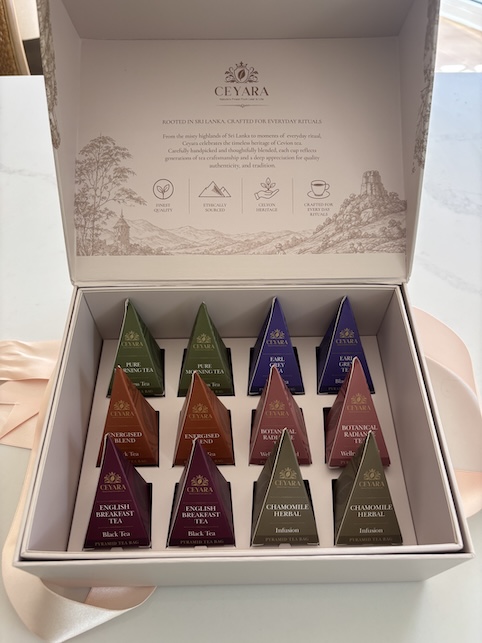
The pyramid format is perfect for enjoying tea without the faff of loose leaf (although I do own plenty of loose-leaf tea and the accompanying infusers). The bags give the leaves room to unfurl properly, producing a fuller cup and helping to preserve their natural oils and aromatic compounds. By contrast, conventional tea bags often contain chopped or broken leaves—or, at worst, fannings and dust. The resulting damage to the leaves encourages rapid oxidation and a faster release of tannins, which can mean less aromatic depth and quicker bitterness.
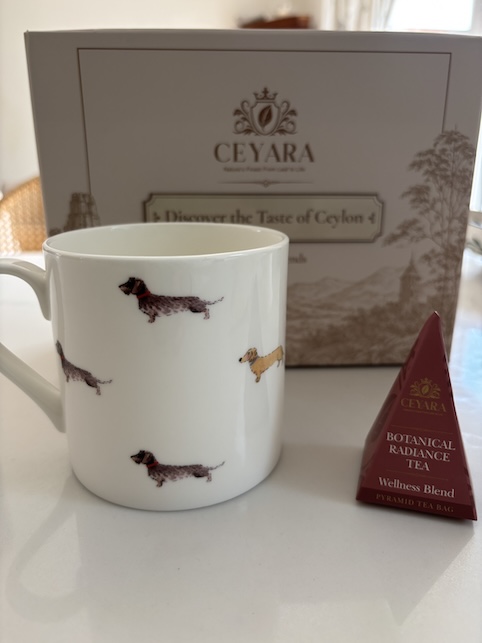
The Chamomile Herbal Tea is gentle, with floral notes. Naturally caffeine-free, it is especially well suited to a calming cup in the evening. The herbal Wellness Blend, on the other hand, is bright and vibrant, with a distinctive herbal flavour. It is also caffeine-free, making it another option for a soothing herbal tea ritual.
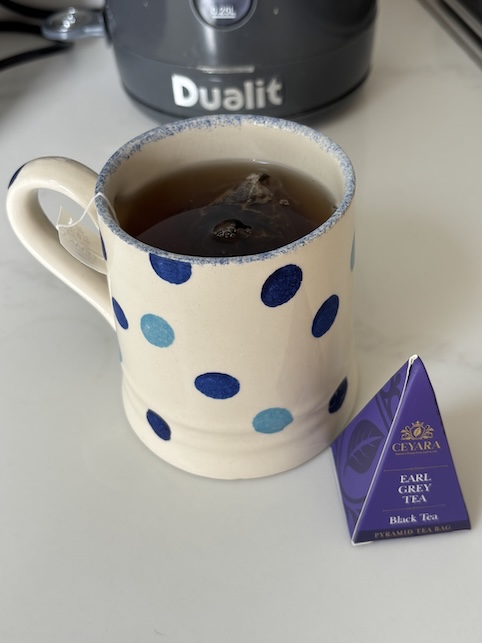
The Earl Grey is punchy, with floral and citrus notes that show what the blend can be at its best – a stark contrast to mass-produced supermarket varieties.
I like to drink all my tea without milk, which I realise may seem unusual to some. With Ceyara’s teas, I find that drinking them this way gives each flavour the chance to show itself fully.
Ceyara’s website provides a wealth of information, from flavour notes and suggested tea rituals to the ideal water temperature and quantity, plus recommendations for milk (if any) and sweeteners.
The helpful FAQ answers questions such as ‘Is Ceylon tea a black tea or a green tea?’ and ‘Does Ceylon tea have more caffeine than coffee?’. It also explains how growing conditions affect flavour, contrasting the zestiness of high-grown teas from cool mountain climates with the smooth balance of teas from mid-grown estates.
Would you choose such a flavoursome tea for a cuppa grabbed on the go or only half noticed? Probably not; it would feel like a waste. For those moments of ‘you time’, however, when a cup of tea can be properly savoured and enjoyed, Ceyara seems to offer the perfect option.
Ceyara tea is available direct from Ceyara, starting at RRP £8.60 for 20 pyramid bags / 40g of tea: https://ceyaratea.com/