
Luisa finds celebration in a bottle. The brainchild of Alessandro Varagnolo, who acquired the Cadgal estates in 2003
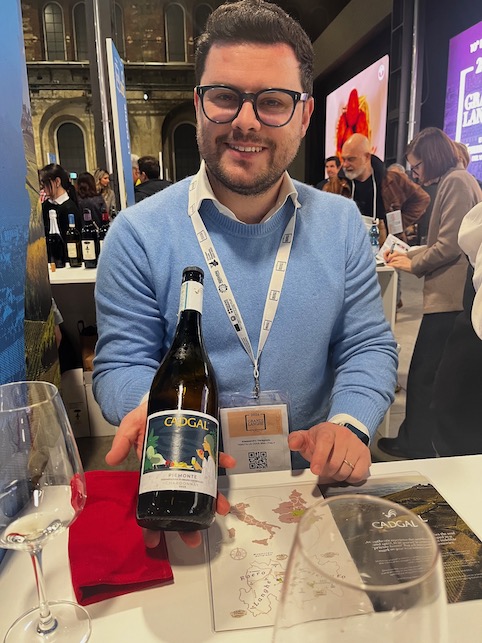
When you first see a bottle of Cadgal wine, you cannot help but smile. The labels are a striking riot of colours, bringing immediate joy even on the dullest and wettest winter day. Then you look at them more carefully, and realise that you are looking at art. For the labels have been created by an Italian illustrator and a French artist to underpin the exuberance of the wines, evoke the joy of sharing and pay homage to their roots.
Each label tells a story, but an ever-present pictogram recalls the figure of a rooster in a form or another, to evoke the name of the winery, ‘Rooster Home’ or Cadgal in Piedmontese dialect. And inside these eye-catching bottles there are wines worth crowing about.
The brainchild of Alessandro Varagnolo, who acquired the Cadgal estates and vineyards in Piemonte’s top quality wine areas of Langhe and Monferrato in 2003, the range includes Chardonnay, Sauvignon Blanc, Barbera and Pinot Noir. But it’s Moscato d’Asti which Alessandro is championing internationally.
This lightly sparkling, lower alcohol, gently sweet wine, with crowd-pleasing charm, full of peach and floral notes, is an Italian favourite which is still underestimated in the UK, as it’s often considered a ‘party wine’.
Cadgal are set to change all that. The winery’s goal is to redefine the identity of Moscato d’Asti, creating a wine which can compete with the great sweet whites of Europe. This is when you discover the ‘other face of Moscato’.
Moscato d’Asti enjoys the DOCG status – Denomination of Origin Controlled and Guaranteed – the highest awarded to the most prestigious winegrowing sites, just 77 across the whole of Italy, able to meet the most stringent regulations and quality control.
The two Cadgal vineyards at Tenuta Valdivilla in the sharp hills of the Langhe and Tenuta La Cova with its marine sediments in Monferrato are just a few kilometres from each other. These terroirs are perfect for growing the Moscato grape.
But it’s the winemaking skills and unique process which sets these wines apart.
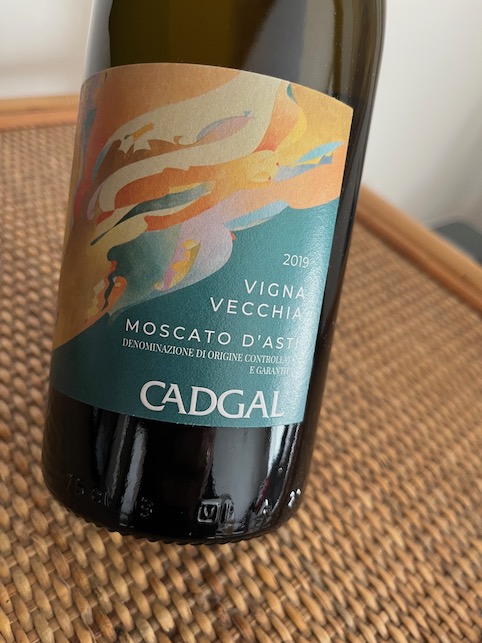
Moscato D’ Asti Vigna Vecchia DOCG is produced in limited quantities from 70 years old vines. Once bottled, a temporary capsule is added to protect the cork, as the bottles are then buried in sand for at least five years. This unique environment of total darkness and total rest leads to surprising results of richness, finesse and longevity. It creates a wine which displays incredible notes of honey and balsamic, moving towards the style of a mature Riesling, one of the great sweet white wines of Europe Alessandro is aspiring to contend with.
Sant’Ilario Canelli DOCG also comes from 70 years old vines, using selected yeasts and bottling after a year. The wine displays an intense straw yellow colour, great finesse on the nose with its peach and apricot, acacia and sage notes. The long and intense finish makes it a refined gastronomic wine able to pair well with savoury dishes.
Lumine Moscato D’Asti DOCG comes from vines approximately 45 years of age, grown on vast and diversified soils, rich in marine sediment and limestone, making this wine fresh and fragrant. Sage and acacia are again present, along with rosemary and musk, and fruity notes of green apple, peach and apricot. In addition to pairing well with classic hazelnut-based desserts, Lumine is delicious with a slice of salami and creamy blue cheeses like gorgonzola. It would be equally tempting with seafood.
These joyful pours are the standout wines, but Alessandro is also making wines from other native and international grape varieties.
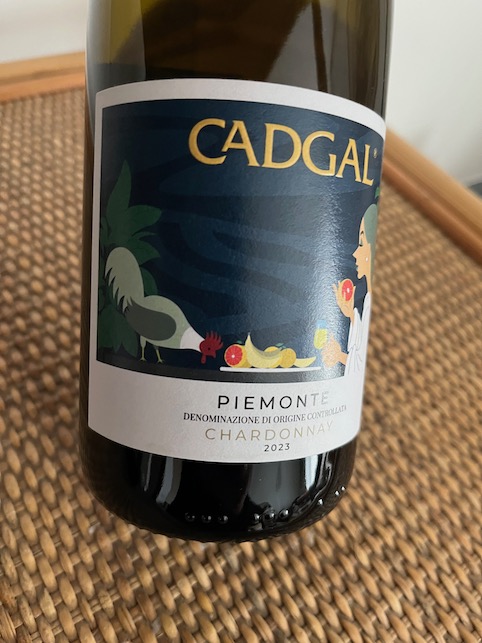
Cadgal Chardonnay DOC for example, comes from hand-harvested grapes and undergoes a soft pressing to produce a straw yellow wine in the glass, with hints of ripe banana and passion fruit on the nose, and an intense fruit flavour on the palate.
The Sauvignon Blanc DOC is fresh and herbaceous with aromas of white fleshed fruit and a savoury acidity, delicious to sip on its own or to accompany a meal.
Red indigenous grape varieties such as Barbera make Cadgal’s Mavi Barbera D’Asti DOCG – another wine with the top denomination. With a ruby red colour and amaranth hues, this wine reveals distinct notes of wild strawberries and wild cherries, lifted by a crisp acidity. Easy drinking and elegant, it’s versatile enough to accompany an array of foods.
Whilst these accessible, mainstream bottles offer a reliable start and an introduction to the winery, they serve as the perfect gateway to discovering the more nuanced and artisanal Moscato D’Asti which are at the core of Cadgal.
Available in the UK from Le Caves de Pyrenes www.lescaves.co.uk; sipwines.shop;